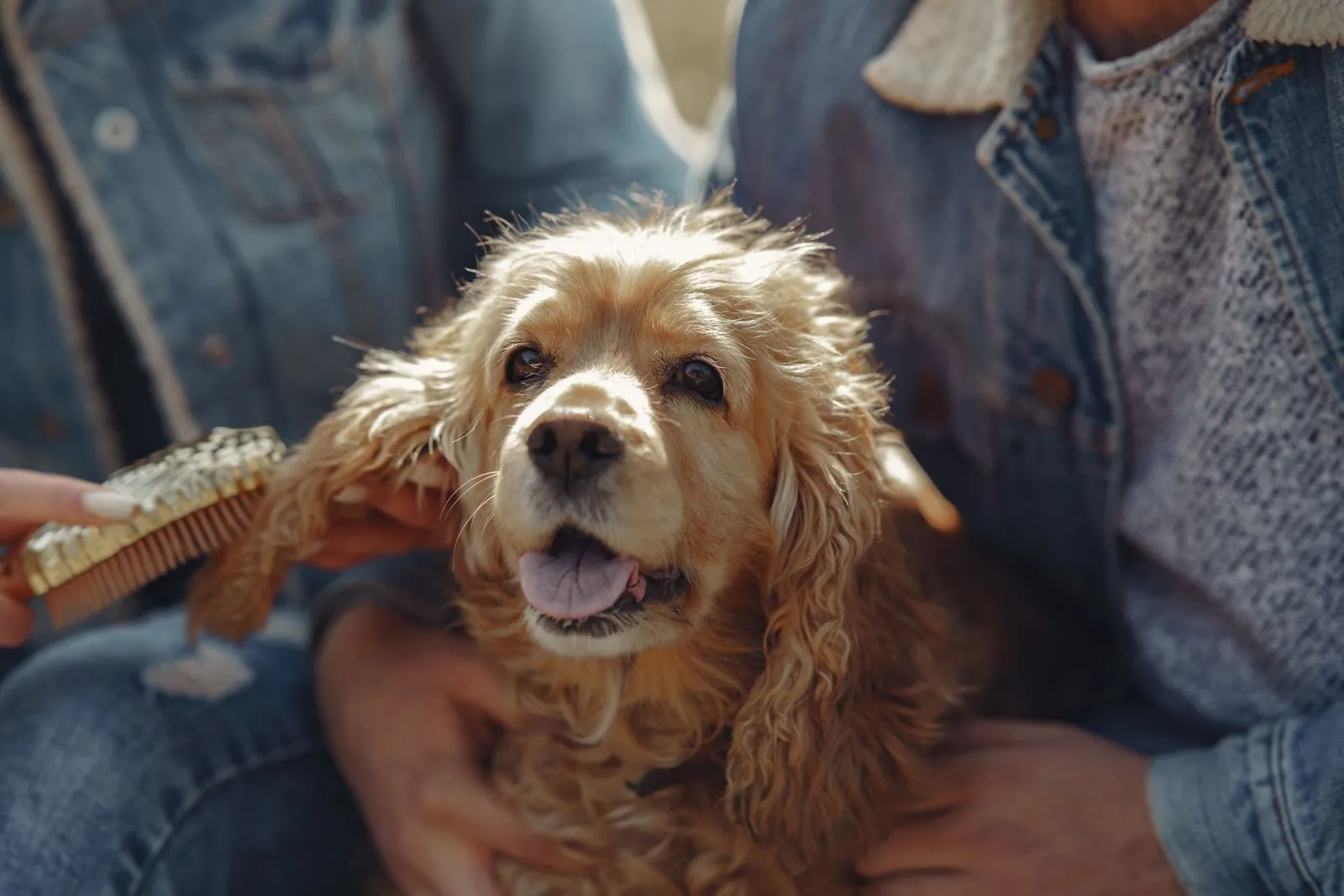
There isn’t one grooming schedule that suits every dog. A short, smooth coat usually needs less hands-on care than long or curly hair, while outdoor adventures can mean more frequent baths and brushing. Your dog’s comfort matters more than a fixed calendar: watch for tangles, dirt, strong odors, or nails clicking on the floor. A simple routine tailored to your dog’s coat and daily life helps keep grooming manageable and supports healthy skin.
Start With Coat Type
Short, smooth coats often need brushing once a week to remove loose hair and spread natural oils. Dogs with double coats may need more frequent brushing, especially during seasonal shedding. Use a brush suited to the coat, and work gently in the direction the hair grows. If your dog has sensitive skin, stop if brushing causes discomfort and ask a groomer or veterinarian for guidance.
Long, silky, or curly coats are more likely to mat, so they usually need brushing several times a week, sometimes daily. Check behind the ears, under the legs, around the collar, and where the limbs meet the body. These areas can hide knots. Never pull hard on a mat; tight mats can hurt the skin, and a professional groomer can remove them safely.
Factor In Hair Length
A short trim may reduce tangling, but it does not remove the need for brushing or skin checks. Dogs whose hair keeps growing often need professional trims on a regular schedule to keep the coat comfortable and out of the eyes, paws, and sanitary areas. The right interval depends on how quickly your dog’s hair grows and the style you maintain.
If you prefer a longer coat, plan for more frequent brushing and regular checks for burrs, leaves, and debris. Ask your groomer to recommend a trim interval based on your dog’s coat and how much upkeep you can do at home. Keep the coat clean and dry after bathing, since damp, tangled hair can be uncomfortable and harder to brush.
Match Grooming To Lifestyle
Dogs that swim, roll in dirt, or spend a lot of time outdoors may need more frequent rinses, brushing, and paw checks than dogs who mostly stay indoors. After walks, look between the toes and around the ears for mud, seeds, or small tangles. A quick check can prevent debris from becoming uncomfortable, particularly for dogs with feathered legs or long hair between their paw pads.
Bath your dog when the coat is dirty or has an odor, rather than bathing on an unnecessarily frequent schedule. Use shampoo made for dogs and rinse thoroughly. Too many baths or harsh products can dry or irritate the skin. If your dog has persistent odor, itching, redness, or flaky skin, contact a veterinarian instead of trying to solve the problem with more bathing.
Keep Up With Essentials
Brushing and baths are only part of grooming. Check nails regularly and trim them when they become too long; nails that click on hard floors or change how a dog walks may need attention. Clean ears only as advised for your dog, and avoid putting cotton swabs or other objects into the ear canal. Your veterinarian can show you safe techniques and advise how often your dog needs care.
Build a routine around what you observe: coat condition, shedding, tangles, nail length, and your dog’s response to handling. Keep sessions short and reward calm behavior so grooming feels predictable. If your dog becomes distressed, has painful mats, or needs a coat style you cannot maintain, arrange help from a qualified groomer.
Your dog’s ideal grooming frequency depends on coat type, hair length, and the messes their routine brings home. Start with regular brushing and quick checks, then adjust when you notice tangles, dirt, or discomfort. For tailored grooming support in Manchester, contact Manchester Pet Grooming to discuss your dog’s coat and needs.