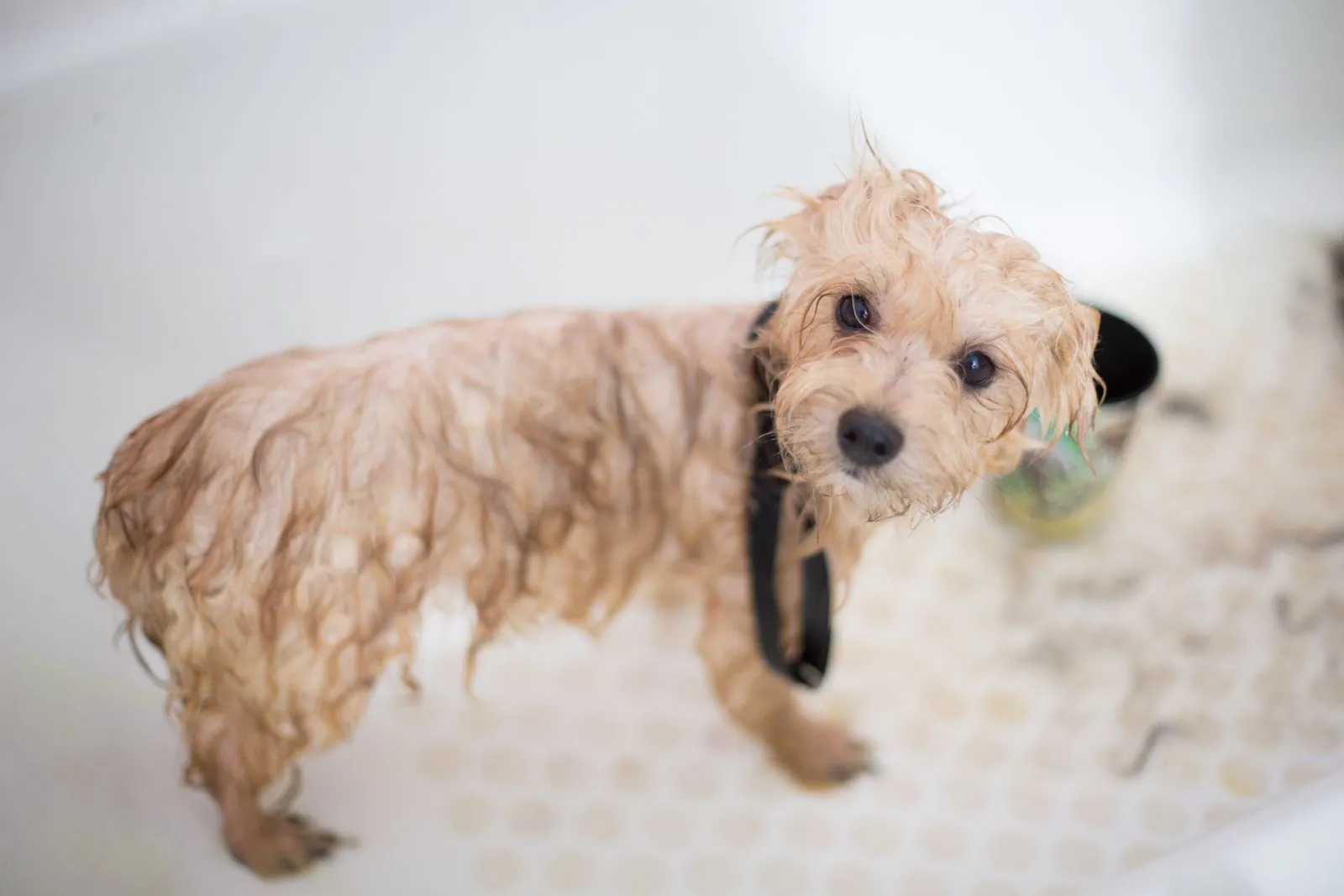
A grooming visit can feel unfamiliar to a dog: new sounds, smells, people, and handling all arrive at once. A little preparation at home can make those parts feel less surprising. You do not need to recreate a grooming session or force your dog to accept handling. Instead, build gentle familiarity, keep the trip calm, and share useful information with the groomer. These small steps can help your dog settle more comfortably.
Practice Gentle Handling at Home
Choose a quiet moment when your dog is relaxed. Briefly touch areas a groomer may need to handle, such as the paws, ears, tail, and muzzle. Pair each touch with calm praise or a small treat, then stop while your dog is still comfortable. Short, positive sessions are more useful than holding your dog in place until they tolerate it.
Watch your dog’s response and adjust. If they pull away, stiffen, turn their head, or try to leave, give them space and try again later with a lighter touch. Do not punish a warning or force a sensitive area. Tell the groomer which kinds of handling your dog finds difficult so they can plan a gentler approach.
Make Grooming Tools Less Strange
Let your dog investigate a brush or comb before using it. Place the tool nearby, allow a sniff, and reward calm curiosity. Then try one or two gentle strokes in an area your dog enjoys, such as the back or shoulder. Keep the tool session brief and stop if your dog becomes uneasy.
If your dog is comfortable, gradually introduce the sound of grooming equipment from a distance, without directing it at them. Never use a loud tool close to your dog just to test their reaction. A groomer can explain which sounds or tools are likely to matter for your dog’s coat and the service planned.
Keep Arrival Calm and Predictable
Before leaving, allow time for a bathroom break and avoid rushing through the door. Bring your dog on a secure leash or in their usual carrier, whichever is appropriate for them. Keep your voice and movements steady. A familiar routine can help, but avoid making a big event of the handoff if that tends to increase your dog’s excitement.
When you arrive, follow the grooming salon’s check-in instructions and give your dog space from other pets where possible. Share practical details before the appointment begins: health concerns, sore spots, past grooming experiences, behavior around handling, and what helps your dog settle. If your dog has a bite history or becomes distressed, say so clearly rather than hoping the groomer will notice.
Set Realistic Expectations
A first visit may be easier if the groomer can work at your dog’s pace. Ask whether a shorter introductory visit or a break is appropriate, especially for a puppy, senior dog, or pet with limited grooming experience. The right plan depends on your dog’s comfort, coat condition, and the service needed, so discuss options before the appointment.
After the visit, keep the rest of the day low-key if your dog seems tired. Offer water and a familiar place to rest, and check their skin and coat without repeatedly handling them. Note what went smoothly and what seemed stressful. Sharing those observations at the next appointment can help make future visits more predictable.
Comfort grows through patient, low-pressure practice. Familiarize your dog with gentle touch, keep arrival steady, and give the groomer clear information about what helps and what causes concern. Every dog responds differently, so adjust the plan to your pet. Contact Manchester Pet Grooming before your visit if you would like to discuss your dog’s needs or arrival routine.